Thứ Năm, 26 tháng 7, 2018

Sapa tours by bus – one of the best ways to visit Sapa

Far from Lao Cai about 38 kilometers and from Hanoi about 370 kilometers, Sapa is an attractive tourist destination in the northwest of Vietnam. To travel from Hanoi to Sapa, there are so many modes of transport for you to choose including motorcycle, train, bus, limousine car, 4 or 7 seat cab and so on. Among them, bus is one of the leading choices of most tourists. Now, let’s consult some details about this kind of transport to have the wonderful Sapa tours by bus on your next vacations.

1/ The distance and time

From Hanoi, you will depart from My Dinh, Luong Yen or Gia Lam Bus Station. In the previous time, it took you 8 or 9 hours to reach Sapa. However, by the end of 2014, the Hanoi – Lao Cai highway with 245 kilometers has been put into operation so the time of traveling by bus has decreased significantly, which is only about 5 to 6 hours from Hanoi to Sapa now. As for bus companies, you should certainly choose some well-liked ones to ensure the safety of your trip. Some of them are Sapa ExpressHung Thanh, Sao Viet, Camel, Hop Nhat, Viet Bus and Hai Van.
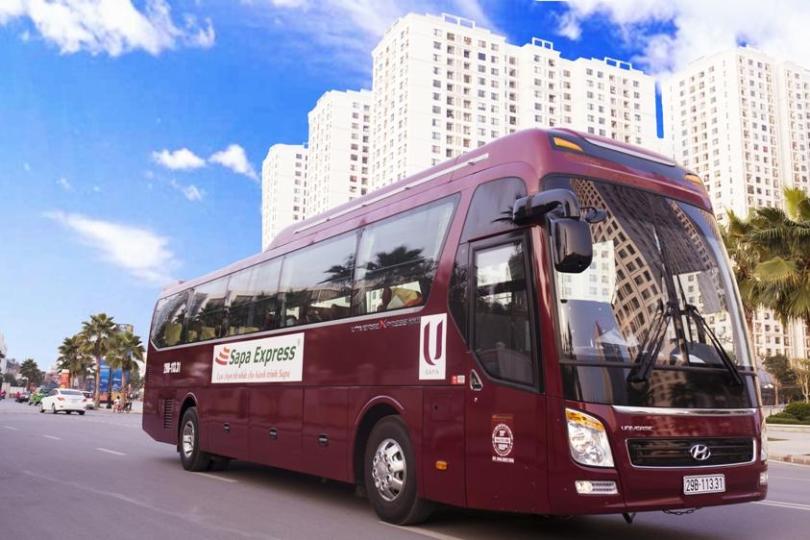
Sapa Express – a reliable bus company

2/ The price

If you are in Hanoi or some nearby areas, choosing Sapa tours by bus is the most suitable to save your money to spend on other interesting activities in Sapa. The price of taking a bus usually fluctuates from 170,000 VND to 280,000 VND per person depending on the kinds of seat. Meanwhile, traveling by train will cost you at least 150,000 VND for the hard seats and about 280,000 VND for the soft seats. Plus, you will have to stop at Lao Cai Railways Station and continue catching a bus for about 50,000 VND per person to go to Sapa. Otherwise, traveling by bus will help you go straight to Sapa without having to stop at any station. Also, the bus always runs overnight as the train so you can be reassured to enjoy the beauty of Sapa in the sunrise.
Sapa in the sunrise
Sapa in the sunrise

3/ The convenience

If you travel by train, you will not be comfortable with the noise of the old rails thus making you much tired before enjoying your Sapa tours. Unlike traveling by train, traveling by bus will allow you to make use of the whole time and get enough sleep to discover Sapa in the great freshness. Nevertheless, you should consider carefully between car seats and car beds. If you do not have a good health, then sitting on the car seats in about 5 to 6 hours is not a pleasant feeling. Furthermore, with the bunk beds on the second floor, you can be quite unpleasant by the feeling of floating and easily get car sick on the high slopes. Especially, if you travel with your old parents or your little children, you should thoroughly find some information about the most suitable bus company before taking Sapa tours by bus.
Sapa tours by bus give you a more pleasant feeling than by train
See more :

Thứ Tư, 25 tháng 7, 2018

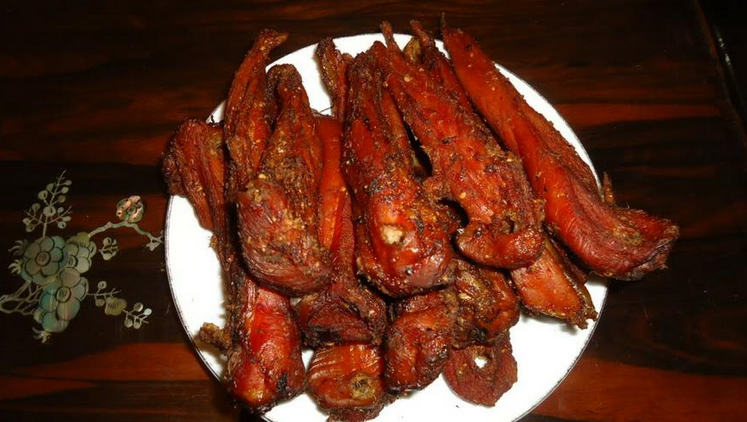
Gac bep pork – a must-try specialty in your Sapa tours


Sapa is famous for a lot of delicious specialties such as thang co, grilled stream fish, cap nach pork, salmon sour hotpot and so on. Among them, a famous specialty that you should not miss in your Sapa tours is gac bep pork. Now, are you curious about this term and how to make this specialty? Here are some details for you:

1/ The characteristics of gac bep pork

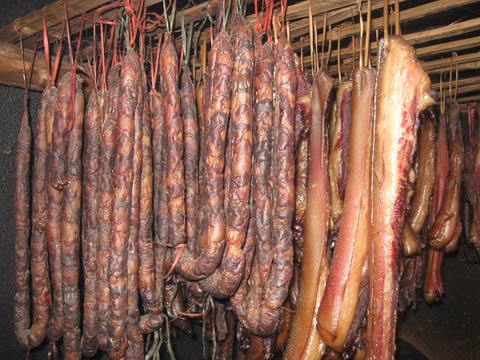
Gac bep pork has the same characteristics as gac bep beef and buffalo meat. The chosen pigs have to be naturally grazed in the high mountainous plateaus in Sapa. People process this dish in a very distinctive manner. To be specific, when the pork is cut into the small pieces, people rub them with salt, soak them with wine and put them in a jar to brew for about 3 or 4 days. After that, people pick them out and wash them with cold water, then dry and hang them up in the kitchen. Therefore, this dish is named gac bep pork.

Gac bep pork – a famous specialty of Sapa

 2/ The processing of gac bep pork

Depending on each region, there are a lot of different ways to process gac bep pork. At some places, the pork is cooled and put in the mortar with a sufficient amount of salt to make the pork more savory. Then, people mix the pork with a kind of yeast made from the forest tree, brew it for 2 or 3 days and hang it up in the kitchen. Otherwise, some other places keep the taste of the pork by marinating it with salt in nearly a dozen hour and also hang it up in the kitchen. In addition, gac bep pork can be fried with ginger, bitter vegetable or lemon leaves. Especially, people always take the wormwood forest and sugarcane bagasse to broil the pork in order to make it more fragrant. When the pork is completely ripe, it is very crispy but not fleshy, creating a charming taste attracting a lot of tourists in Sapa tours. Although gac bep pork is totally original without preservatives, it can be reserved for a very long time.

The pork is hung up in the kitchen

 3/ Enjoying gac bep pork

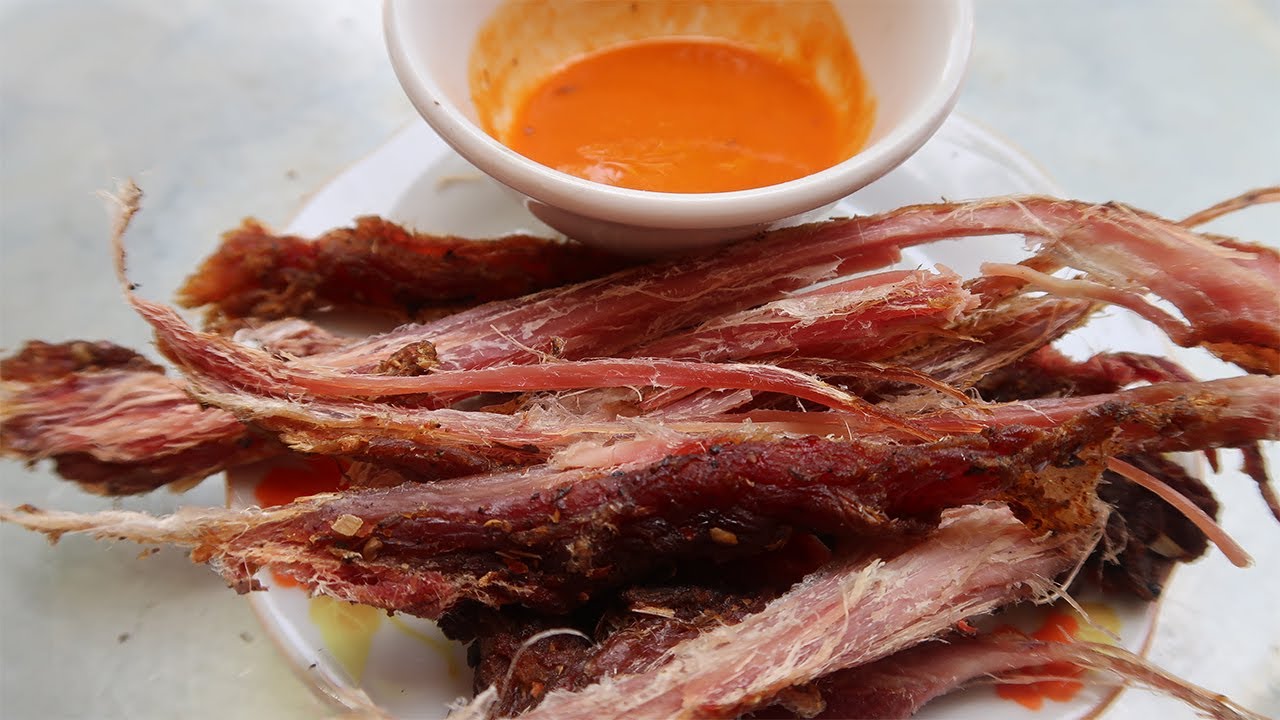
Before eating gac bep pork, people have to flame and clean it to make it softer and cleaner, then they cut it into the small pieces to process into a lot of different dishes such as stir-fried with tomatoes, stew with garlic leaves or simply fry with cabbage. Actually, all the dishes makes gac bep pork much more delicious than the usual pork. When you enjoy this specialty, you can see that the meat is not crushed and has a distinctive fragrance. Therefore, it is worth a trying in your Sapa tours.
For Tay people in Sapa, gac bep pork is an indispensable traditional dish on the Tet holidays. In the cold atmosphere of the spring, enjoying the crispy pieces of gac bep pork and nibbling a few cups of wine will be the ideal things to do to make people closer together. Read more some of wine in Sapa :

Gac bep pork has a distinctive taste

In addition to Gac Bep Pork , Sapa has a lot of specialty food that you must be try when travel to Sapa. Read more :

Thứ Hai, 23 tháng 7, 2018

3 tourist destination not to be missed in the Northwest ( Vietnam )

Travel Northwest has many ideal destination for us. Accordingly, do not miss the chance to discover the next stopping point if you want to take a trip full of fun and great experiences.

In recent years, tourism Northwest is becoming a highlight trends and especially for tourism in Vietnam. To the landscapes here, you do not pay back, flutter before something very strange, very private, only land and Northwest are ...

Northwest travel stop "visit" Sapa

Sapa (Lao Cai) - fog land is one of the attractive tourist destination attracts visitors from near and far.


Northwest travel stop "visit" Sapa

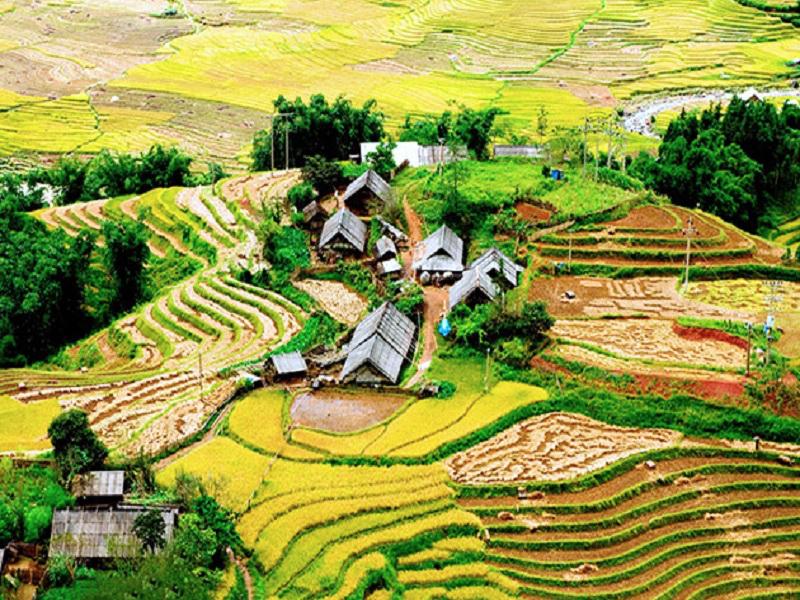
Northwest travel stop "visit Sapa, you will have the opportunity to visit the town of Sapa crowded, bustling with quaint stone church bearing the stamp of French architecture. Besides feeling immersed in the wonders of nature with mountains, with terraced fields and the pretty little village in the valley always pervading with rice ...

Select Sapa is the destination for your trip, you also have the opportunity to challenge myself in the journey to conquer Fansipan - once dubbed the "roof of Indochina" with a height of 3.143m.


Tourism Sapa Conquer Fansipan

Sapa tourism in the spring, you will be immersed in the space Sapa love market with very particular characteristics, very interesting about the culture, the people here. If coming to Sapa in winter, do not forget to catch moments snow and feel the cold just not somewhere else in Vietnam can bring.


SaPa love market

Moc Chau - attractions, tourists everywhere


One other attractions equally famous in the Northwest is Moc Chau (Son La). Famous for the thousands of green tea hills silver. Besides the flowering season cauliflower, cherry plum blossom extract obtained both an airspace ...

It is a verdant plateau with fresh green leaves 4 seasons, surged vitality and cool climate all year round. That's why tourists come here certainly will not lack the feel great.


Moc Chau is famous for green tea hills

Only less than 200 km from Hanoi, Moc Chau Plateau is the ideal destination for tourists crowded, especially on weekends.


Moc Chau - attractions, tourists everywhere

Travel Northwest do not forget to visit Dong Son Moc Huong

Son Moc Huong Cave called with folk name is Bat Cave. This located in Son La province.

Dubbed "Tay Thien De Nhat Dong" with strips of stalactites sparkling 7 rainbow colors, and many stone blocks from the roof flows down background hang high over 20m located under rocks rolling eastward North of the town of Moc Chau ... it promises to be one of the ideal destination where visitors pole should not be ignored.


Travel Northwest do not forget to visit Dong Son Moc Huong

Traveling northwest stopped to visit Sapa, Moc Chau Plateau and then the Son Moc Huong Cave, there is nothing better for a trip like this? Hope from the sharing on, you will get the most suitable choice for you! And you can travel to a lot of destination of Vietnam at :

Thứ Ba, 17 tháng 7, 2018

From Hanoi to Sapa – What to expect

Sapa is a northwest frontier township in Vietnam. In the recent years, it has become the most booming tourism spot that consistently welcome thousands of visitors per month solely for its captivating beauty and enriched cultures. People choose to stay in Sapa when they can fly out to go visit other provinces to feel, experience and appreciate Sapa at its true value.
Sapa-Town-at-Lao-Cai-Province-Hanoi-To-Sapa-Trip
Sapa and its beautiful sceneries will never let you down
Planning a trip from Hanoi to Sapa is relatively easy. You can either go by train, bus, cars, motorcycles or even taking a private helicopter, depending on your time and schedule. Here are the insight gists of those four transportation modes that you must have known before the ride:

Train to Sapa overnight

If you want to head for the hills at Sapa, the best way to get there is to take the train from Hanoi to Lao Cai. Sapa has no railway station, but it’s about 38 km (24 miles) from Lao Cai railway station and easily reached from there by car,

How long is the train trip from Hanoi to Sapa?

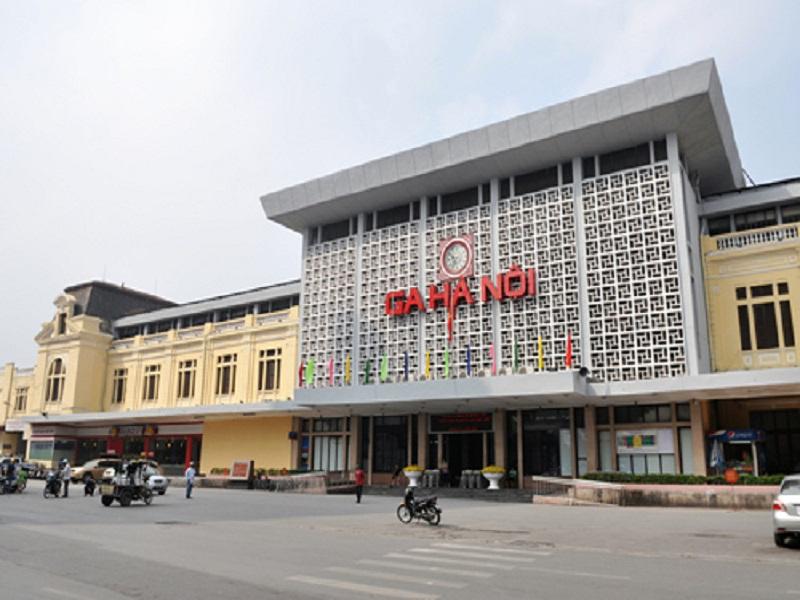
The most comfortable and safest way to Sapa from Hanoi must be the overnight train. There are 3 evening training at 20:35 (SP7), 21:10 (SP1) and 21:50 (SP3) (these are odd number trains) directly from Hanoi Main Station (120 Le Duan Street, Hoan Kiem District, Hanoi City) to Lao Cai daily. The train is about 9hrs, a full night sleep on train. Once you get there, take a minibus to transfer to Sapa for approx. 30mins.
Hanoi-Main-Station
Hanoi Main Station: SP trains and LC trains take you from Hanoi to Sapa
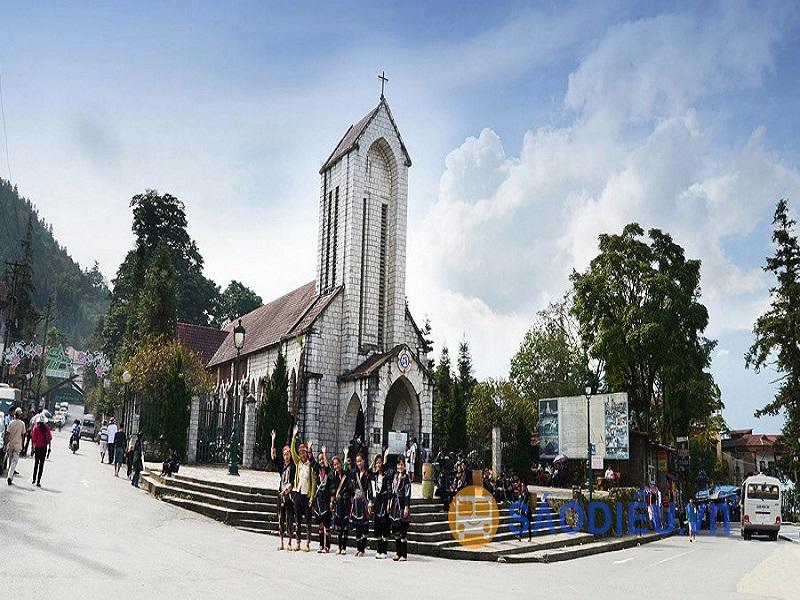
The trains leave Sapa to Hanoi are at 17:30 (SP8), 20:15 (SP2) and 21:00 (SP4) (these are even number trains). The minibus operates around 17:00 to Sapa station, right at Sapa Old Church. You might have to note that down to remember, otherwise you might have to ask your front desk reception to help you out with the private car rental, which might turn out to be a bit expensive than the minibus.
Sapa-Church-Bus-Station-Hanoi-to-Sapa
Sapa Bus Drop Off is located at the Sapa Old Church, right in the center of Sapa.
SP trains fare is around $26 ~ $79 per person. If you are looking into a cheaper train alternative, you can take the LC1(20:00) and LC3(6:10) and back with LC2(18:45) and LC4(9:15). Those trains are longer than the SP trains, and the amenities aren’t the same. Cabin are packed with 6 hard bunk beds, and hard seats. LC3 and LC4 only offer hard seats. Not on the comfortable, but it will only cost $15 ~ $30 per person.
Private-cabin-in-hanoi-to-sapa-train
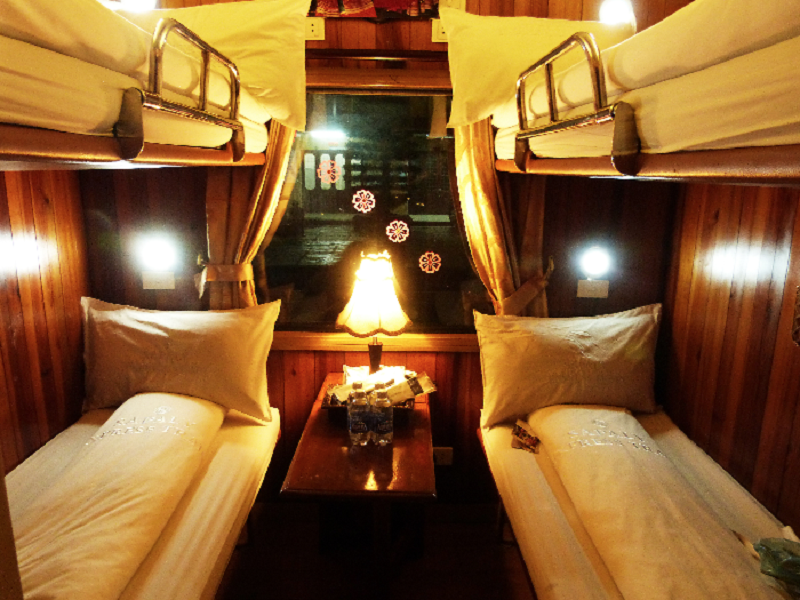
Private cabin in a SP train from Hanoi to Sapa

Best train from Hanoi to Sapa

The train offers soft seats cabin as well as private coaches, which runs by  VictoriaOrient ExpressSapaly , Fansipan , and a few more. Each coach consists of 4 compartments with a manual AC adjustment at the front, 2 small toilets located at both the front and the back. These private cabins are installed with 4 first class berths each, built in AC system, fresh bed sheets, pillows and throw blankets. Doors can be locked from the inside, so you can rest assured the whole way up to the destination.
A few extra side notes if you choose to go by train:
  1. Get ticket at the train station might be impossible. Always plan in advance, get your tickets purchased online or via travel agents.
  2. For food, not much dishes served on the train, it’s best to have your dinner before departure.
  3. Definitely bring snacksdrinks (if you want to), and your own water bottles, though they do provide each passenger a 330ml bottle water.
  4. Pack your own amenities, such as hand wipes, toothbrushes, toilet papers, etc.
  5. If your toilets get jammed up, take your time to travel up and down a few carriages to look for another one.
  6. During the night, the temperature might be a bit chilly, you might consider to bring a light blanket to keep you warm.
To be honest, the Sapa trains aren’t anywhere near Amtrak train quality in the States, but definitely the best in Vietnam’s standard.

The daytime and overnight sleeper buses

If trains aren’t your thing, you can take the sleepers bus instead. The road to Lao Cai isn’t in the best shape of all, they can get a little bumpy up North. The bus fare is more reasonable, approx. $15 ~ $20/person.
Sleepers-bus-from-hanoi-to-sapa
Sleepers buses from Hanoi to Sapa are operating daily at your convenience

Best bus from Hanoi to Sapa

There are private sleepers bus operators to Sapa, such as Sapa Express, Eco sapa bus,Pumpkin Limousine,Hung Thanh, Queen Cafe, Inter Bus Lines, Sao Viet, Sapa Shuttle Bus, and a few more. You can leave Hanoi and Sapa as early as 7:00 or as late as 23:00 daily and get to your destination after 9 hours of driving.
You have to catch these buses at Gia Lam bus station. They’ll drop you off at Lao Cai station, from here you also have to take the minibus transfer to Sapa, pretty much the same transfer you have to take with the train. A few vendors, especially those who doesn’t carry sleepers bus will take you directly to Sapa without the transfer at Lao Cai. Here are a few notes for the bus takers:
  1. Please also book your bus tickets in advance. If you go during the tourist months, not just the train, the bus will also be packed.
  2. You have your bags stored in the under bus storage, so keep your valuable and amenities with you. They won’t unload your luggage until you reach to the destination.
  3. Beds on the bus are generally small and typically don’t lie flat as the berth on the train, they’d rather like your car seat in almost full recline.
  4. Buses stop at a few stations for bathroom breaks, that means you aren’t supposed to drink much water on the bus, or you’ll be sorry later.
  5. Some sleepers bus provide free wifi to get you entertain, a big perk compared to the train.

The private car

Some prefer to rent out a car. The only downside is the long 9 hours driving trip would not be too excited toward the end, would it? This option, however, allows you to fully experience the roads, flexible schedule, and get to explore different locations before you reach to Sapa.
private-car-hanoi-to-sapa
Private van rental for your Hanoi to Sapa trip
The price range for car depends on your choice of car, anywhere from $165 one way Hanoi to Sapa for 2 days and 1 night, $300 round trip Hanoi to Sapa and back for 2 days and 1 night. Renting out a van might cost a bit more, around $185 to $350.
These rental car comes with a private driver, and it might be difficult for travelers to drive themselves to Sapa. The traffic here in Vietnam can often be chaotics and intimidated for international drivers with all the motorcycles driving along the side. A few tips:
  1. Always always always book in advance.
  2. Ask for quotations from different vendors. It’s best to ask your front desk hotel for help. You might get a bargain with that.
  3. You don’t need to tip your driver if you don’t want to. Keep the rental car company business card, in case you have issues with the driver (just in case).
  4. Renting a car means they’ll drop you off at your Sapa’s hotel and you have the flexibility to have it drive you around the town or any places you want to visit without the trouble of asking for directions.

Renting out a motorcycle

You are up for adventure? Renting out a motorcycle from Hanoi to Sapa might be the most adventurous thing you can do. Unless you are familiar with the traffic in Vietnam, I would never recommend you to.
Hanoi-to-Sapa-Motorcycle-Trip
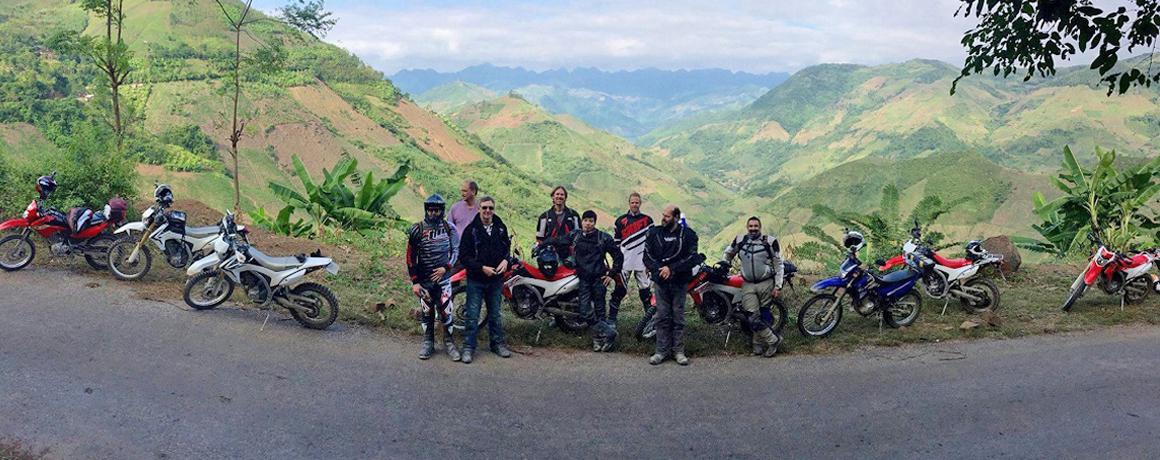
Hanoi to Sapa trip on motorcycles is truly a great challenge
This gives you a great deal of Vietnam’s life, especially the North region’s culture. It also allows you to easily get around Sapa, as the most popular vehicle here is motorcycle. If driving a whole trip freak you out, but you still want to get your ride fix around Sapa, just rent one out once you get there. Sapa does offer bike and motorcycles rental around the city. You can easily rent one out from your hotel’s lobby.

Private Helicopter to Sapa

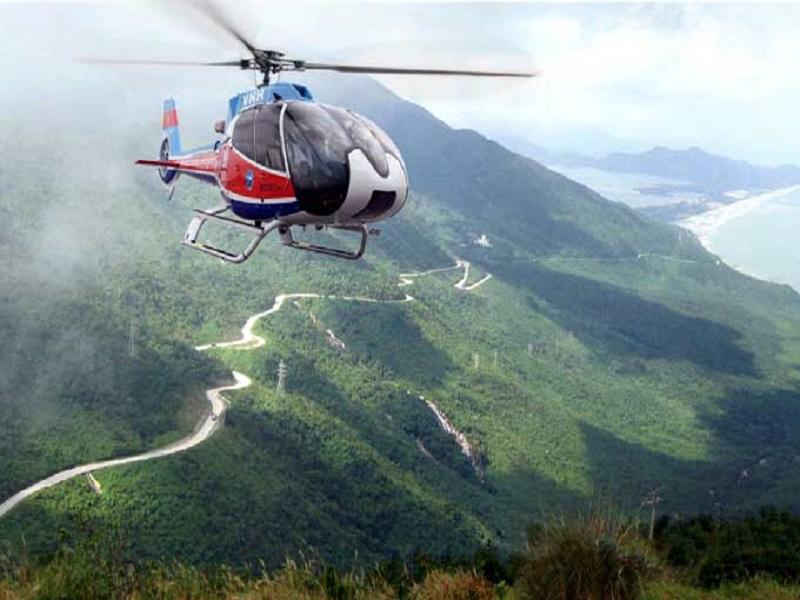
The private helicopter departs from Gia Lam Heliport (55 Nguyen Van Linh Street, Long Bien District, Hanoi City located right at Gia Lam Airport). It offers 12 to 24 seats max per route, and costs at least $17,000 for a round trip from Hanoi to Sapa and back for the MI – 17. All the rice paddy terraces, natural caves, together with the mountainous landscaping creates a stunning photographic panorama of Lao Cai from the above.
hanoi-to-sapa-by-helicopter
Hanoi to Sapa on a Helicopter Tour
This high budget transportation is a game changer for Sapa travellers, it takes less than 1hr 30 mins to get to Lao Cai Heliport. From here, you’ll be heading to Sapa on a private comfortable drive. You will be able to have your private guide if you go by helicopter. It comes as a package.
If you are interested in taking your Sapa travel experience to a whole new level, please feel free to contact our Sapa Tours counsellors. Either by cars, buses, trains, motorcycles or helicopters, there are both pros and cons in each option. I suggest you to consider each option seriously, it’s better be safe than sorry. Private guides are also available at TrekkingSapa.com, we’ll help you to plan out your Sapa trip the best possible. Let’s see our Sapa tours for more details.
Thứ Bảy, 14 tháng 7, 2018

Snow in Sapa

Can you imagine how beautiful snow falls on a terrace ? Meeting with the ethnic minorities in Sapa along with snow will be a great experience at Sapatours

1/ When does it snow in Sapa?

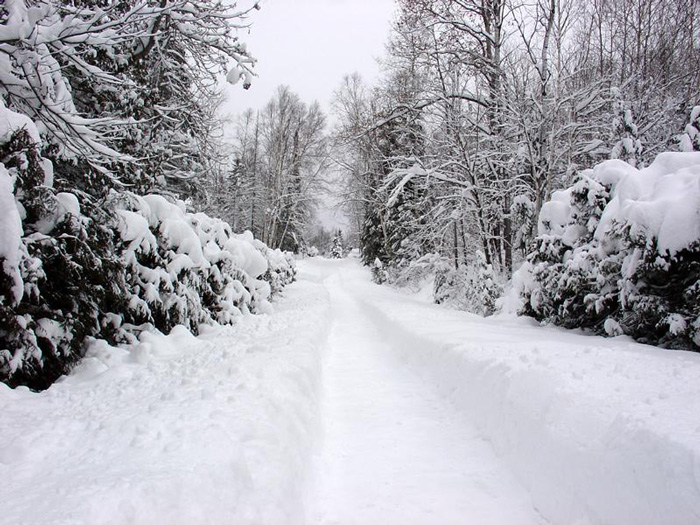
Snow is a typical weather phenomenon occurring when the temperature is too low. It is inherently considered to be a disaster for farmers. However, it is an ideal opportunity for tourists in Sapa tours to watch the snowfall in Vietnam – a tropical country. When the sky is clear without rain and fog and extremely cold at about -1 degree Celsius, it will snow. Depending on the weather condition each year, the snow usually falls between December 15 and January 1, which is the coldest period of the year in Sapa. The snowfall often lasts about 1 to 2 days.
It usually snows from December to January in Sapa
 It usually snows from December to January in Sapa

2/ Where are the snowiest places in Sapa?

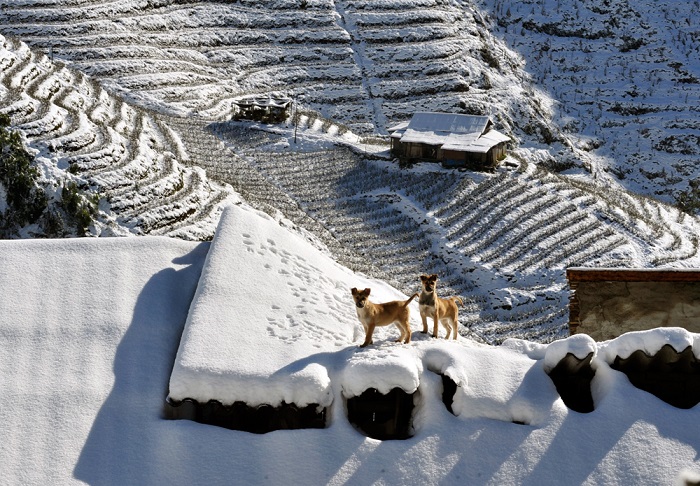
Not everywhere in Sapa has snowfall so you have to keep in mind some snowiest places in Sapa to get the best view. According to the reviews of some experienced tourists, Hoang Lien Son Mountain, O Quy Ho Pass, Heaven Gate, Silver Fall or Bat Xat Commune are some typical places where has the largest amount of snow in Sapa. From the center of Sapa Town, you will easily find the way to these destinations because the nearest one is far about 20 kilometers and the furthest one is 40 kilometers away. If you have enough time, you should make the effort to go to Y Ty Pass where snow falls more and more beautifully than other places. Especially, terraced fields is an ideal place to watch snowing in an interesting way. While the terraced fields have a bright green color in the summer, it will completely become white in the winter, creating a wonderfully eye-catching scenery from above.
Terraced fields are all covered by snow
 Terraced fields are all covered by snow

3/ What you should notice when watching snow in Sapa?

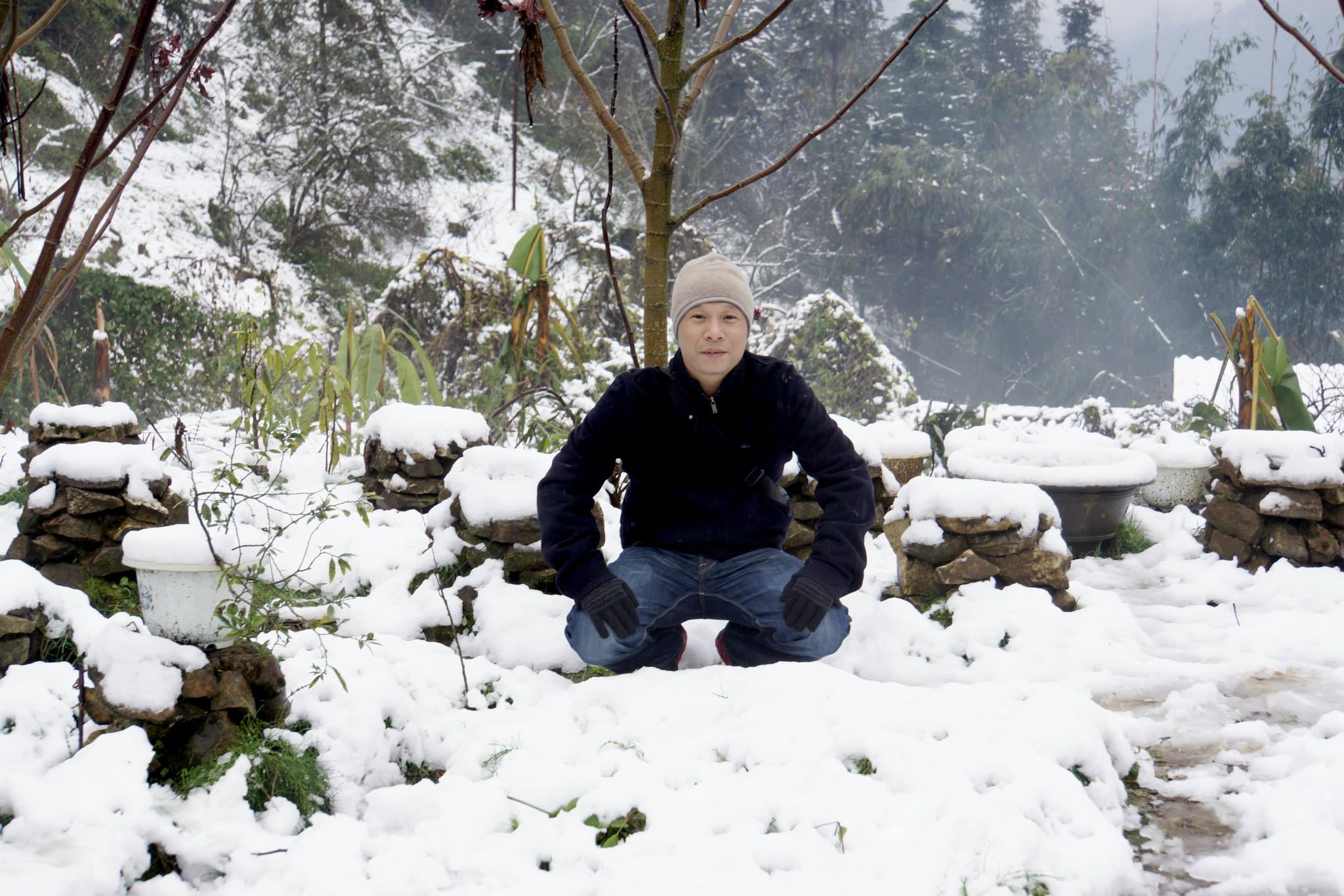
When it snows, the temperature can drop down to -10 degrees Celsius. Therefore, you should make sure that you prepare enough suitable clothes and some necessary accessories such as scarf, wool hat, gloves, jacket, fur shoes and so on. As for clothes, you should choose the most convenient one that can not only prevent wind and water in case of having dense fog or snowfall but also help you move easily. In addition, you need to bring some essential personal items to ensure your health during your Vietnam tours in Sapa. More importantly, some kinds of medicines must be taken with you to treat some common diseases, especially the cold. Also, you should bring a bottle of wine and use it when the weather is too cold in order to keep your body warm. Moreover, bringing a raincoat will help you fight with snow and wind better.
See more :
You should wear suitable clothes when visiting Sapa at that time
Come to Sapatours in order to experience and enjoy your trip !
See more :

Thứ Hai, 9 tháng 7, 2018

Bac Ha corn wine – a distinctive taste of Sapa

Sapa is a well-known tourist destination in northwestern Vietnam. Taking Sapa tours not only gives you a chance to relax in the cool atmosphere and contemplate the strikingly beautiful mountainous landscapes but also enjoy the taste of some famous highland dishes. If you visit Pho Village, you should try enjoying Bac Ha corn wine, a specialty wine of Mong and Dao people in Sapa. Now, let’s discover some interesting facts about this special wine!

1/ Raw materials preparation

To create the best corn wine to be branded as the genuine Bac Ha corn wine, the preparation of raw materials is very important. It is one of the main determinants deciding whether the taste of wine is good or bad.
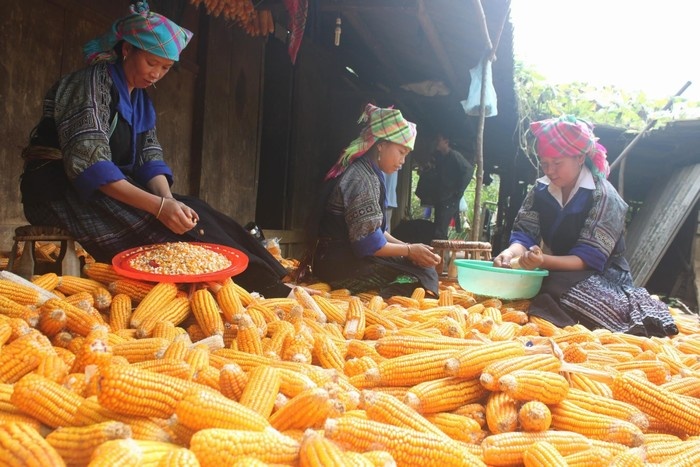
The corn used to make Bac Ha corn wine is not a popular kind commonly grown in the fields on the high hills or valleys. Instead, it has to be the special corn grown on the remote rocky mountains in Lung Phinh Commune, Bac Ha District. This is a purebred yellow corn variety with the growth time up to six months which is suitable for upland climatic conditions. The roots of this kind of corn are clinging to the rocks. Its leaf not only absorbs water but also receives mist from the cool environment. Therefore, the corn seeds are extremely round, firm, soft, sweet, tasty and richly nutrient in the bright yellow color. Besides, it also has a distinctive aroma unlike other kinds of corn. After harvesting corn, local people will dry it for long-term preservation in order to make wine.
Beside Lung Phinh corn, the other factor contributing to the special flavor of Bac Ha corn wine is the yeast of a tree named “hồng mi”. The brewers making Bac Ha corn wine usually use its seeds to grind into a fine powder. Then, they mix it with boiling water, knead this into the small pills and dry them. When having been dried yet, this yeast will turn into the white color.


Bac Ha corn wine – a distinctive taste of Sapa 1
Image 1 (The Lung Phinh corn)

2/ Bac Ha corn wine processing

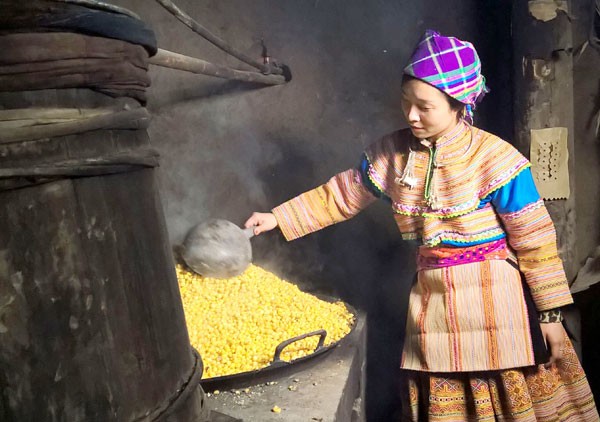
The processing of making Bac Ha corn wine is quite elaborate. Accordingly, it consists of these following main steps. First, the seed is separated from the corn and cleaned carefully. Then, people put it in a large saucepan to boil it. When it is completely bursted, they will pick it out and cool it down. Next, they will mix these corn seeds with hồng mi yeast in a certain proportion and then cover this mixture for 5 to 7 days. Finally, they will make corn wine from this fermented mixture.
In particular, distilling corn wine is the most important step in the processing of making Bac Ha corn wine. To be specific, it has to be cooked by firewood and the cookers must always keep the minimum level of fire. During the distillation, water must be supplied sufficiently so that the corn wine will not be burnt.


Bac Ha corn wine – a distinctive taste of Sapa 2
Image 2 (People are boiling corn seeds to make Bac Ha corn wine)

3/ The unique taste of Bac Ha corn wine

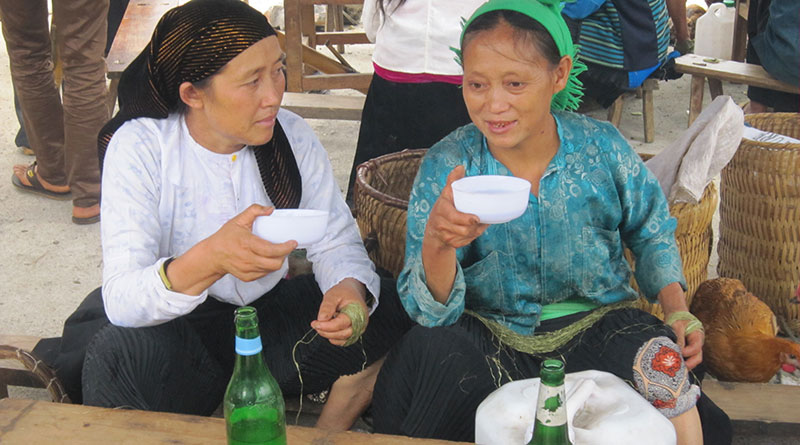
Bac Ha corn wine is not opaque but it has the clear color like water. It owns a very characteristic aroma of Lung Phinh corn. When you drink, you will clearly feel the bite at your tongue. Drinking too much Bac Ha corn wine can make you drunk but it does not cause headaches, dizziness or nausea. If using an adequate amount of corn wine, you will be much healthier because it is used to stimulate the activity of the neural system, enhance blood circulation and stimulate gastrointestinal activity.


Bac Ha corn wine – a distinctive taste of Sapa 3
Image 3 (Bac Ha corn wine has a distinctive taste)

At present, there are a lot of Sapa tours having the service to help tourists experience in some households making corn wine in Bac Ha. With these tours, you can directly see how people make corn wine and enjoy this special wind of Sapa.
See more:

Chủ Nhật, 8 tháng 7, 2018

San Lung wine – the best kind of wine of Red Dao people in Sapa

Sapa is a familiar tourist destination to a large number of tourists in Vietnam tours. Mentioning Sapa, people will immediately think about the cool atmosphere, the beautiful mountainous landscapes or the unique ethnic villages. However, not only being famous for these characteristics, Sapa is also the homeland of so many kinds of strangely delicious wine made from the raw materials which are only in northwestern Vietnam. Among them, San Lung wine is one of the best kinds to mention. Let’s go into more details about this kind of wine now!

1/ The origin of San Lung wine

San Lung wine is a famous specialty of Red Dao people living in Lao Cai. It is originated from San Lung Village, Ban Xeo Commune, Bat Xat District. This wine is associated with a mysterious legend of Red Dao ethnic group. Together with Bac Ha corn wine, San Lung wine is considered to be the most well-liked kinds of wine in Sapa. Thus, it will be such a pity if you have not tried tasting this special wine when being in Sapa tours, right?
San Lung wine – the best kind of wine of Red Dao people in Sapa 1
San Lung wine is very famous

2/ How to make San Lung wine?

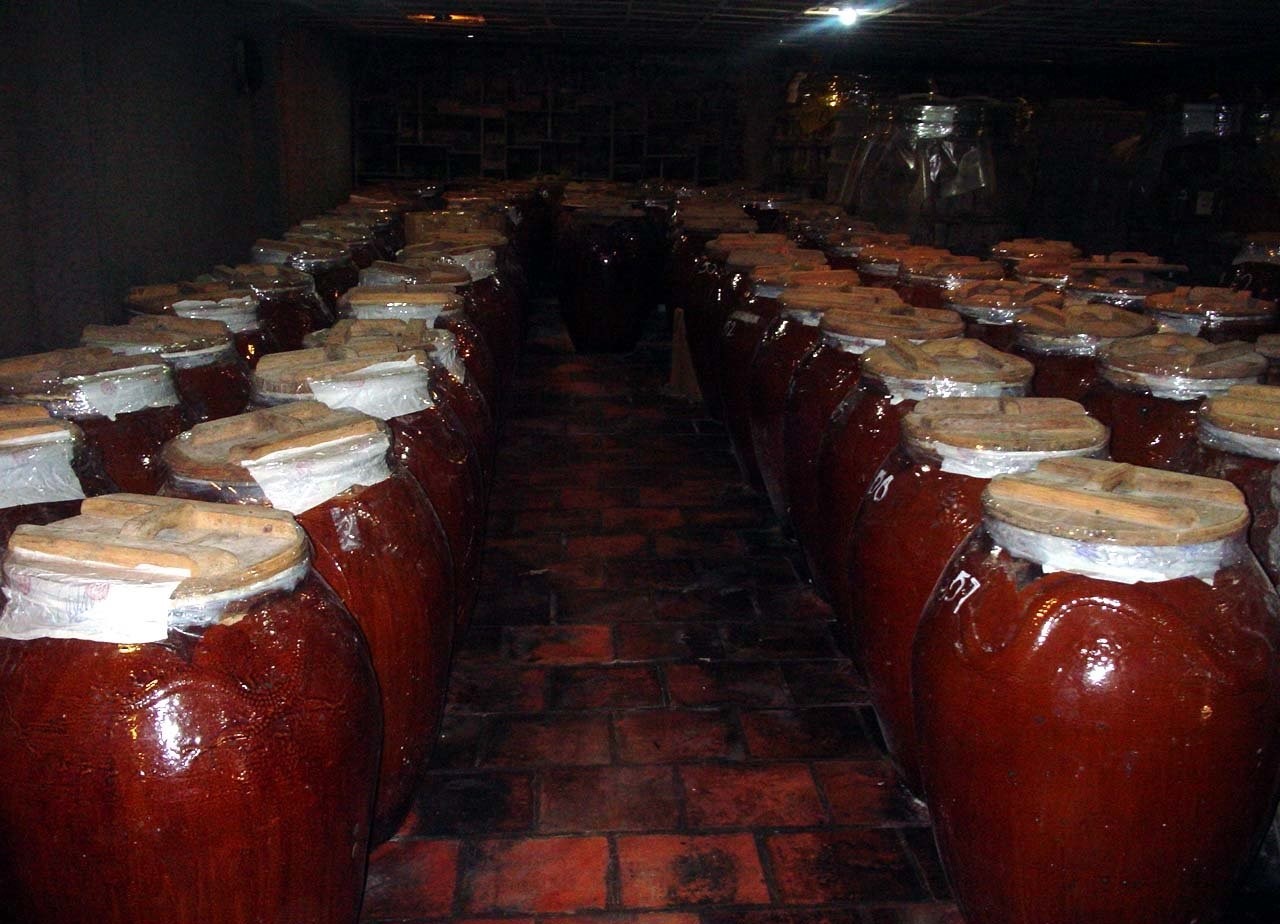
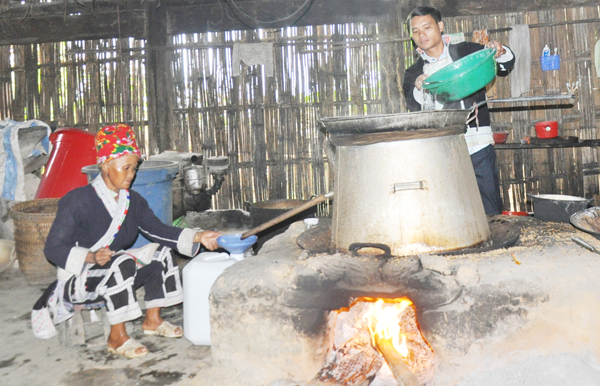
San Lung wine is made quite carefully and elaborately. The grain used to mix with herbs must be picked in the suitable time. After that, it will be cleaned and put in the tight box. When all the seeds completely bloom, people will pick it out to place in the grain. To create the distinctive aroma of San Lung wine attracting a lot of tourists, Red Dao people always use a special yeast. It is made of the glutinous rice mixed with 15 kinds of forest leaves. These kinds of leaves are all the mountainous herbs. After 2 nights, the rice yeast evaporates strongly, people will continue putting it in a container to brew it. In particular, the brewing time depends on the season: it will be 5 or 6 days if it is in the winter and it will be only 4 days if it is in the summer. After being brewed, it will have to be steamed with a sufficient amount of water. During that time, the fire must always be at the same level. The other important thing is that the water at the top of the pot should always be cold and this step is repeated twice to create the best San Lung wine.
San Lung wine – the best kind of wine of Red Dao people in Sapa 2
Red Dao people are making San Lung wine

3/ The taste of San Lung wine

The aroma and taste of San Lung wine are so strong that it can make you freak out to all organs in your body. It is a feeling of freshness so you will not get a headache after drinking San Lung wine. If you enjoy it in the morning, you will feel much healthier and has a plenty of energy to work all day long without fatigue. Because of containing 15 kinds of herbs, it can be used to treat a lot of common diseases.
San Lung wine – the best kind of wine of Red Dao people in Sapa 3
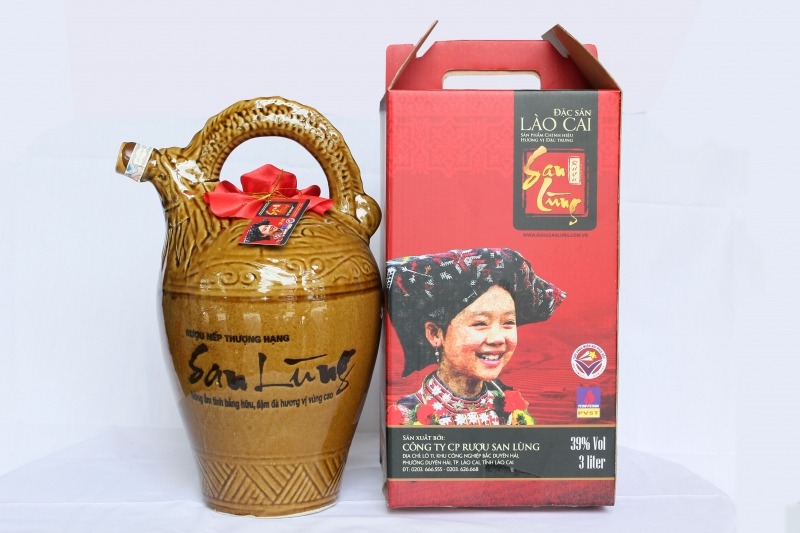
San Lung wine is also an ideal gift to bring home
In your Sapa tours, you can visit San Lung Village to directly see how Red Dao people make San Lung wine and try tasting this wine to memorize your trip to this upland town of Vietnam.
See more: